Optimal Timing for Waterproofing Applications
Waterproofing is a crucial process to prevent water intrusion and protect structures from water damage. The effectiveness of waterproofing applications depends heavily on timing, climate conditions, and preparation. Proper scheduling ensures optimal adhesion, curing, and durability of waterproofing materials, extending the lifespan of the protected structures.
Spring offers moderate temperatures and low humidity, making it ideal for waterproofing projects before the heavy rains of summer.
Early summer can be suitable if temperatures are consistent and rainfall is predictable, ensuring proper curing of waterproofing layers.
Fall provides cooler weather and dry conditions, which help in effective application and curing before winter.
Winter is generally unsuitable due to freezing temperatures and high moisture levels that hinder proper application and curing.
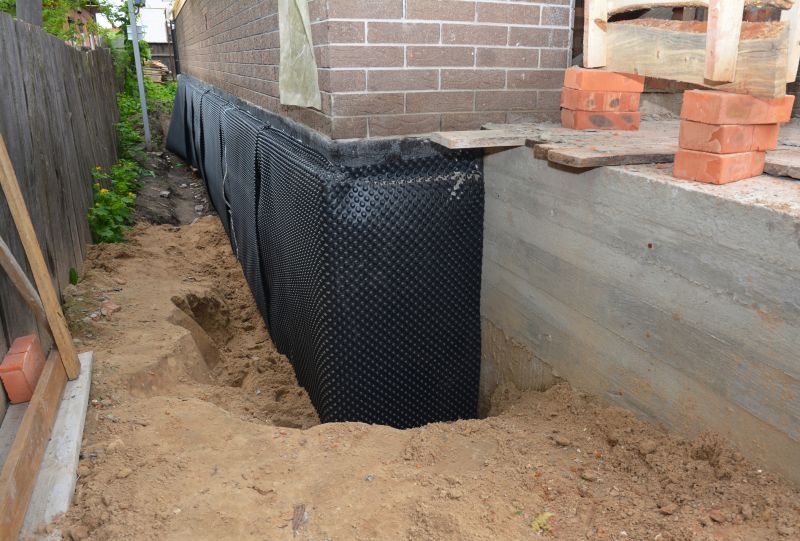
Spring offers favorable conditions for waterproofing installations with moderate temperatures and dry weather.
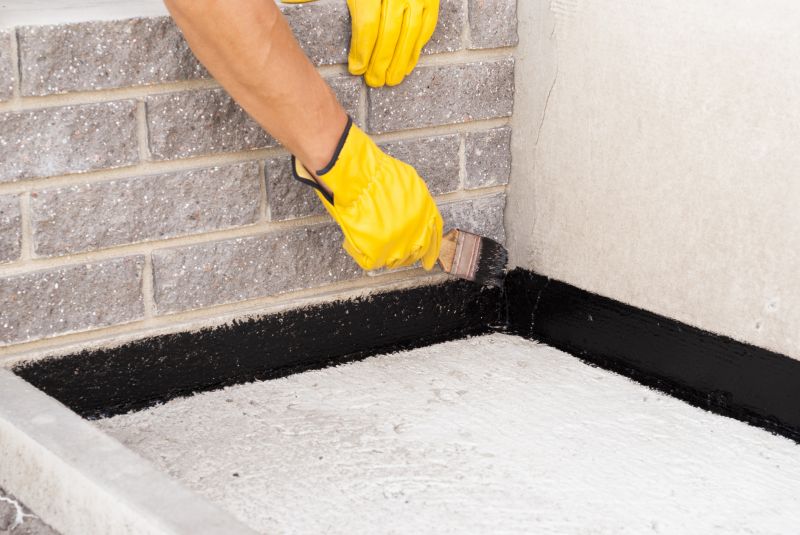
Early summer can be effective if weather conditions remain stable and dry during application.
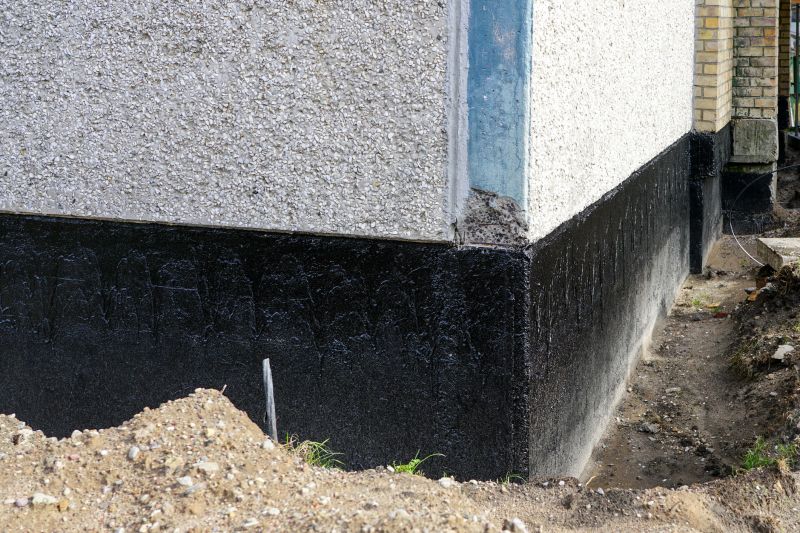
Fall provides cooler, dry days ideal for waterproofing projects before winter sets in.
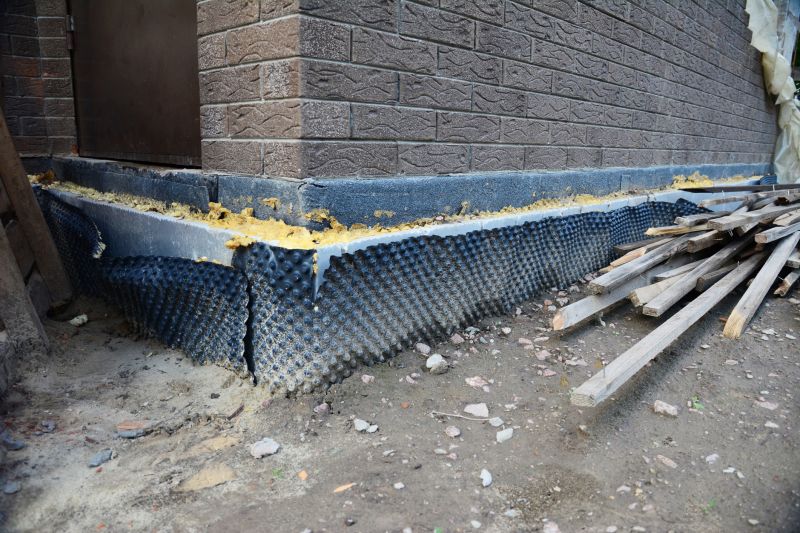
Freezing temperatures and high moisture levels make winter unsuitable for waterproofing applications.
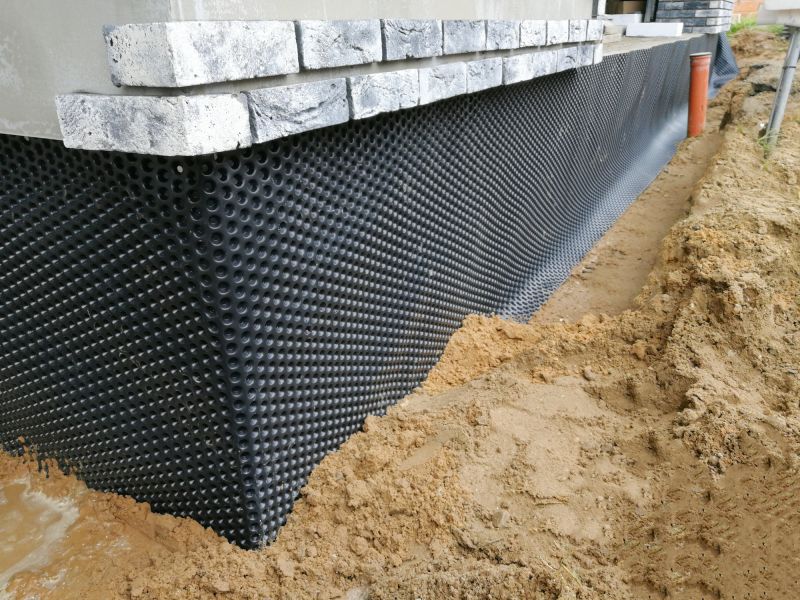
Optimal waterproofing occurs in temperatures between 50-85°F with low humidity and no rain forecast.
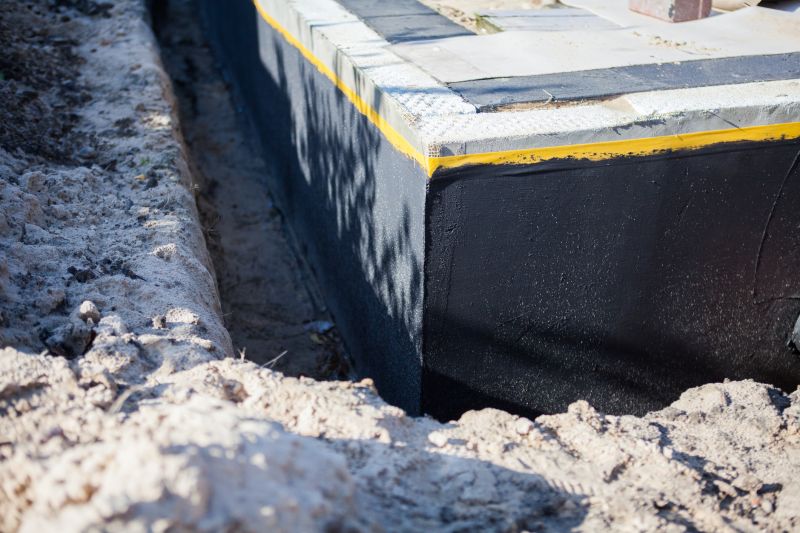
Proper surface preparation and weather assessment are essential before applying waterproofing materials.
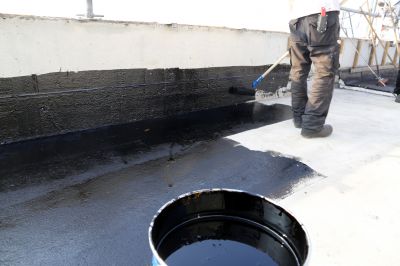
Ensuring dry conditions during application prevents adhesion issues and enhances durability.
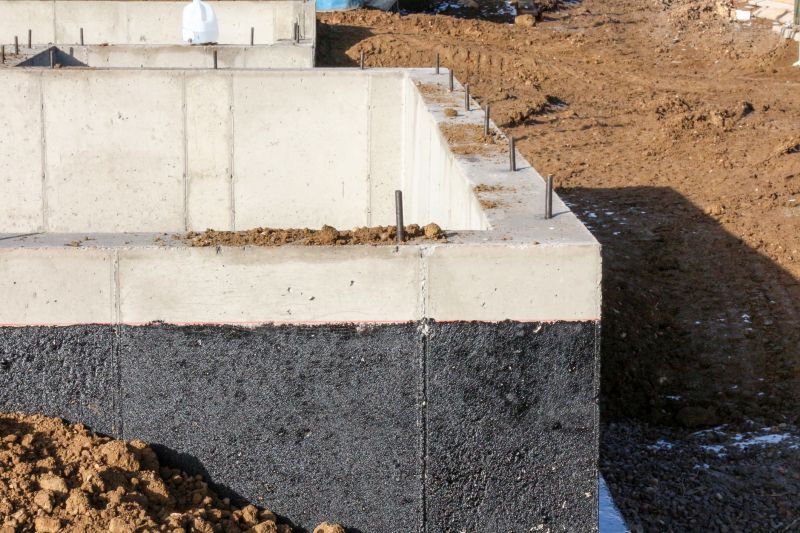
Allow adequate curing time in suitable weather to ensure waterproofing effectiveness.
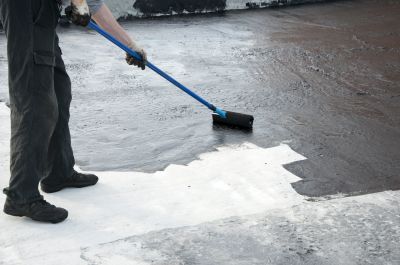
Scheduling waterproofing projects according to seasonal weather patterns maximizes longevity and performance.
| Season | Recommended Conditions |
|---|---|
| Spring | Moderate temperatures, dry weather, low humidity |
| Summer | Stable, dry days with consistent warmth |
| Fall | Cooler temperatures, dry days, no frost |
| Winter | Freezing temperatures, high moisture, not recommended |
Waterproofings are essential for protecting structures from water ingress, which can lead to structural damage, mold growth, and reduced durability. The choice of waterproofing materials and application timing significantly impacts their longevity and performance. Properly timed waterproofing projects can prevent costly repairs and maintenance, ensuring the integrity of buildings and infrastructure.
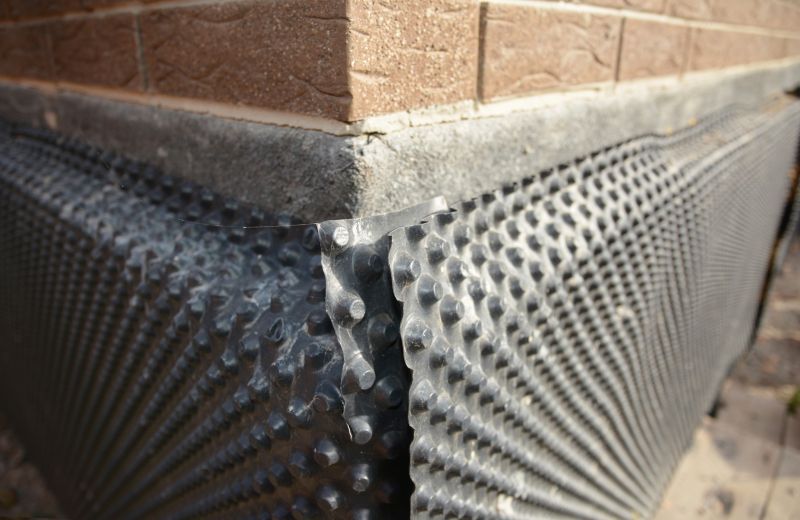
Proper timing ensures optimal adhesion and curing of waterproofing materials.
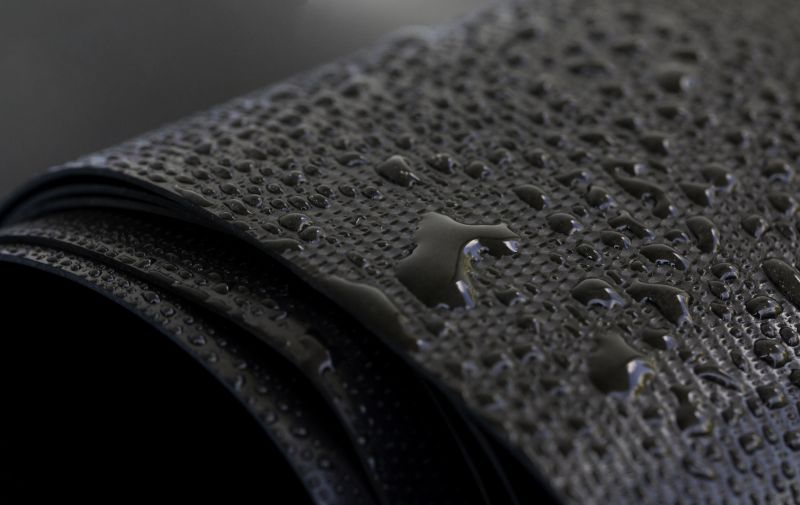
Dry conditions during application improve waterproofing effectiveness and longevity.
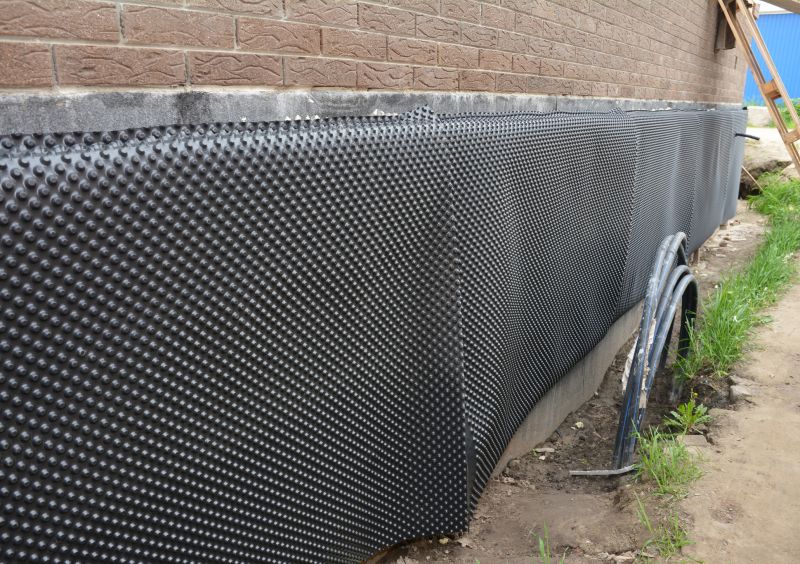
Planning projects according to seasonal weather patterns enhances durability.
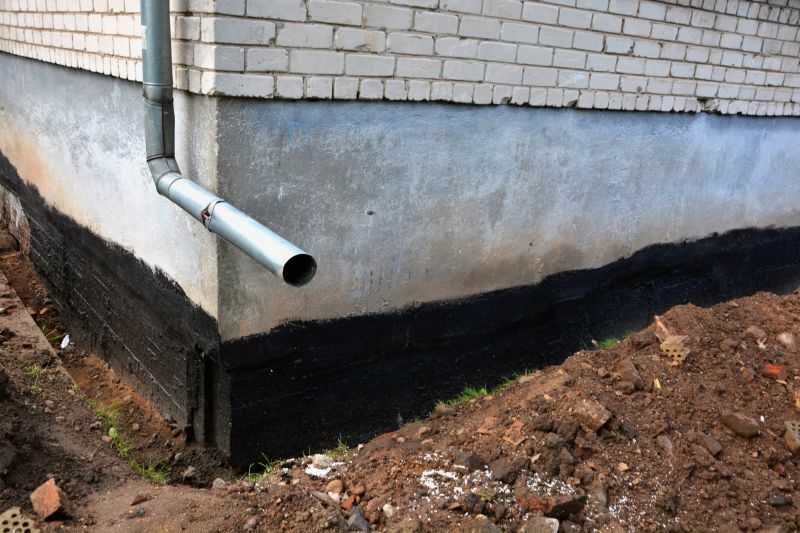
Assessing weather forecasts helps determine the best time for waterproofing projects.
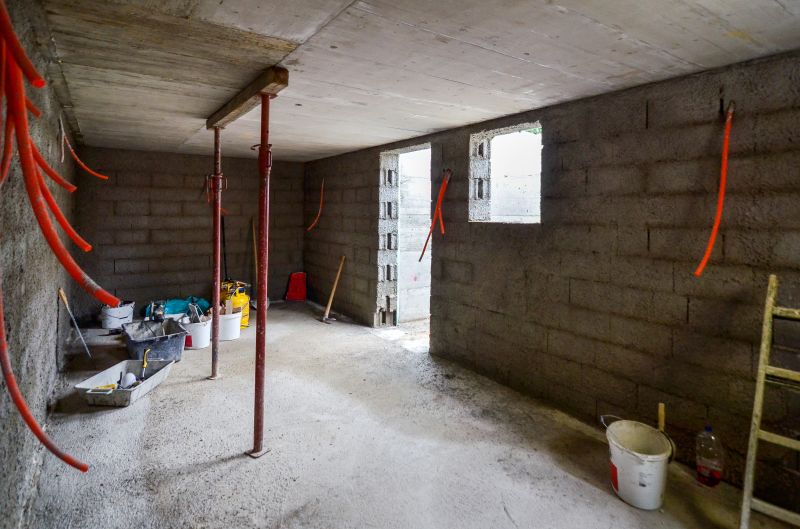
Ways to make Waterproofings work in tight or awkward layouts.
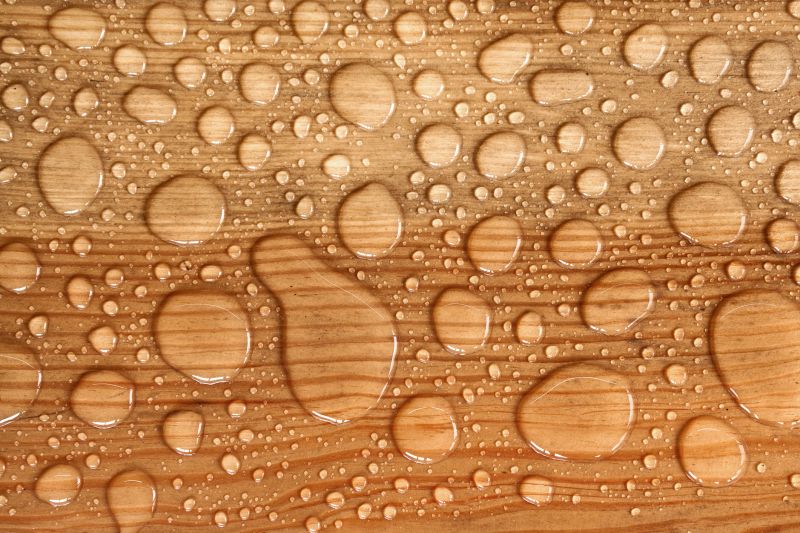
Popular materials for Waterproofings and why they hold up over time.
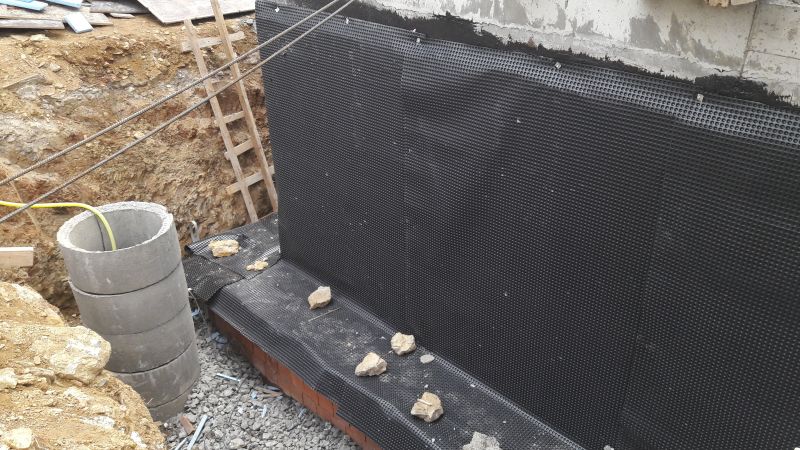
Simple add-ons that improve Waterproofings without blowing the budget.
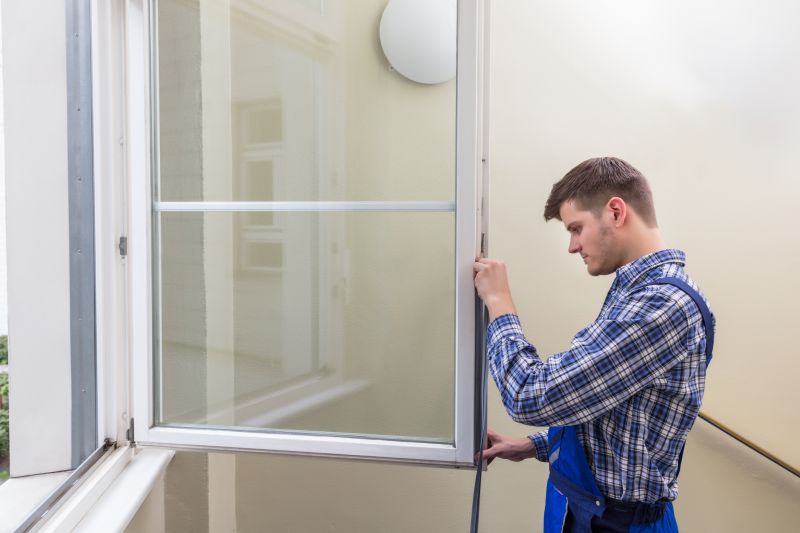
High-end options that actually feel worth it for Waterproofings.
Interested in waterproofing services? Filling out the contact form provides an opportunity to discuss suitable timing and options tailored to specific needs and local climate conditions.